Tesla Commences Cybercab Handovers to Private Owners Before 2026 Ends
The two-seater robotaxi will move from fleet operations to limited private sales, with most units remaining company-owned services.
By Brianna Jackson ·
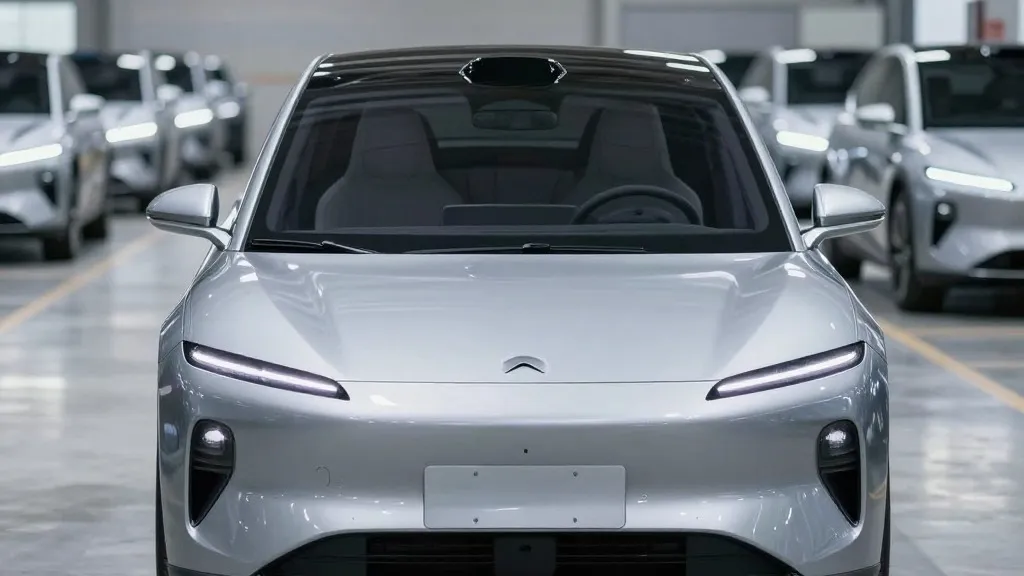
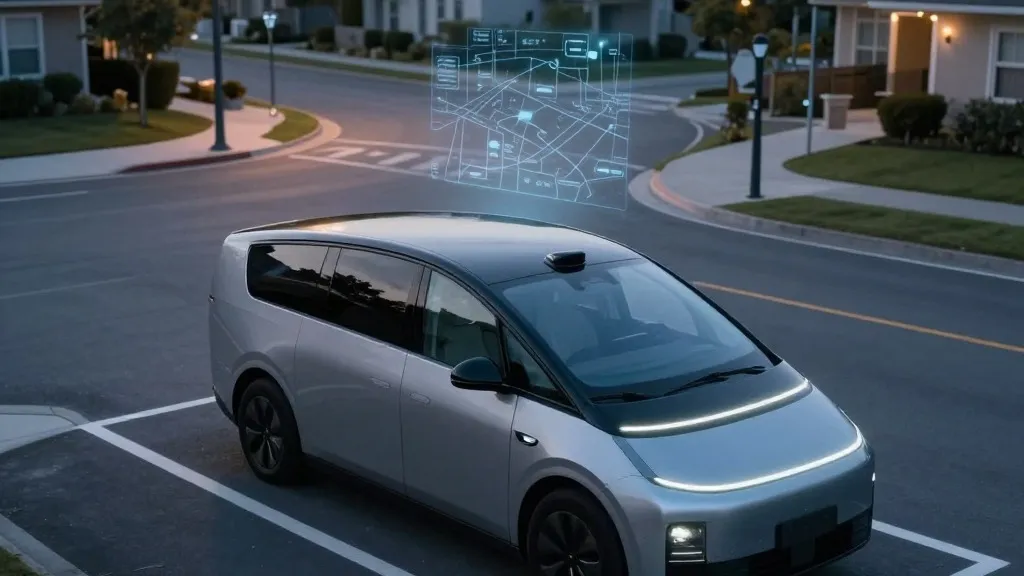
For residents in the Southwest and other early adopters, the wait for Tesla’s most unconventional vehicle has finally reached a concrete finish line. While the Cybercab has been in the news for its lack of steering wheels and pedals, it has largely remained a service vehicle up to now. That dynamic is shifting, as Tesla has officially confirmed that private customers can expect to take delivery of the two-seater before the calendar year 2026 concludes.
The announcement was made during Tesla’s third-quarter earnings call on October 21, 2026. Lars Moravy, the company’s Vice President of Engineering, clarified that while production is actively underway at the Gigafactory in Texas, the initial output is being reserved for Tesla’s internal Robotaxi fleet. However, Moravy stated that the company is targeting the end of this year for the first units to reach individual buyers, effectively ending months of speculation about the timeline for private ownership.
A key distinction for potential buyers is that the Cybercab is not being positioned as a traditional personal car. CEO Elon Musk emphasized that the vehicle is primarily a "transport-as-a-service" product. He noted that the vast majority of Cybercabs will remain Tesla-owned, operating within the company’s fleet rather than sitting in private driveways like a Model 3 or Model Y. This suggests that while you can buy one, the primary business model for the car is still to function as a shared autonomous asset.
Tesla plans to start these private deliveries in small batches. Moravy explained that this gradual rollout allows the company to refine its logistics, understand ownership models, and manage the complexities of operating autonomous vehicles that are no longer under its direct, real-time control. It is a cautious approach to scaling a vehicle that relies entirely on Tesla’s Full Self-Driving software, which has been in production since February this year.
Contextually, the Cybercab has been in a limited state of public use since early September, when Tesla launched unsupervised rides in its Robotaxi service. The vehicle is priced around $30,000, making it one of Tesla’s more affordable options. However, for those looking to buy, there are still hurdles. Ashok Elluswamy, Head of AI, indicated that unsupervised Full Self-Driving for standard consumer cars is expected in the second quarter of 2027. This means early Cybercab buyers may face geographically restricted autonomy while local regulatory agencies catch up to the technology's pace.
As the year draws to a close, the focus for Tesla shifts from just building the cars to managing the transition from a pure service model to a hybrid of service and private ownership. For the Southwest market, this marks the beginning of a new era where the driverless cab is not just something you hail, but something you might eventually park in your garage.
Source: Teslarati